
















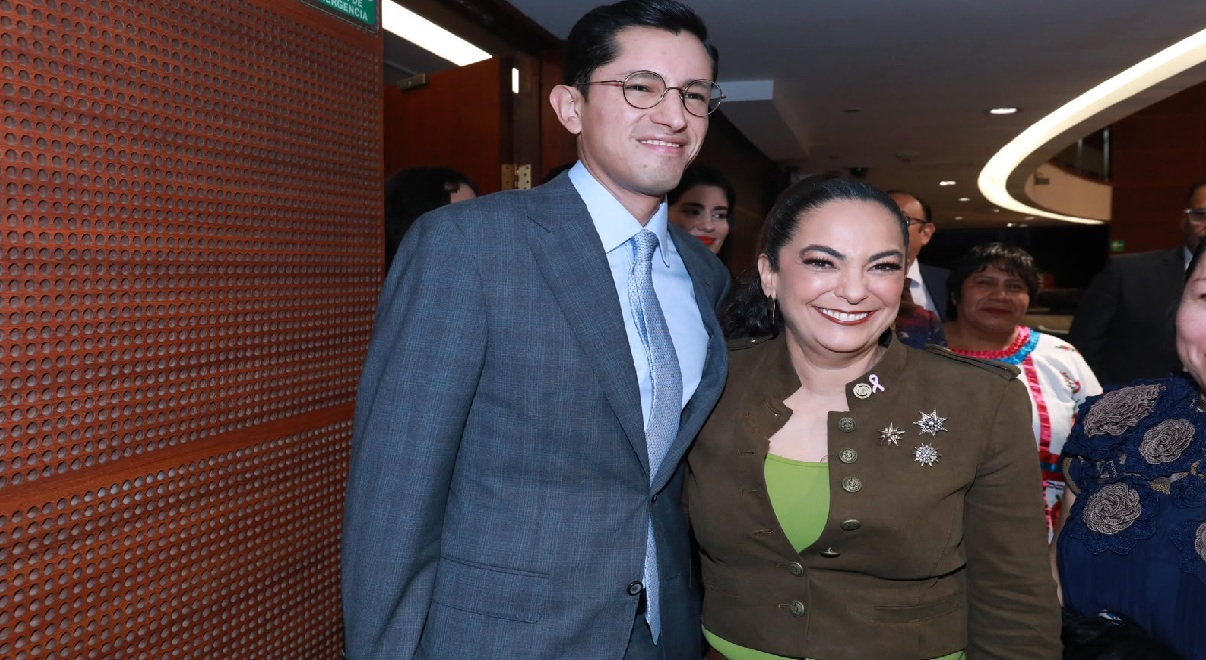
Ciudad de México.– La senadora tamaulipeca Olga Sosa Ruiz destacó la protección consular de las personas migrantes y la defensa de la soberanía nacional como principios de la política exterior mexicana, durante la comparecencia del secretario de Relaciones Exteriores, Roberto Velasco Álvarez, ante el Pleno del Senado.
En el análisis del Segundo Informe de Gobierno de la presidenta Claudia Sheinbaum Pardo, la legisladora señaló que México debe mantener una diplomacia con todas las naciones, particularmente con sus socios comerciales, mediante la cooperación en seguridad, el fortalecimiento de las exportaciones y la mejora de las perspectivas económicas.
Durante la sesión, el canciller informó que la Secretaría de Relaciones Exteriores atendió 152 mil 466 casos de protección consular y realizó un promedio de 36 visitas diarias a centros de detención migratoria en Estados Unidos durante 2026. También reportó el envío de 16 notas diplomáticas al Departamento de Estado estadounidense y la presentación de 20 denuncias por casos de mexicanos lesionados o fallecidos bajo custodia o durante operativos migratorios.
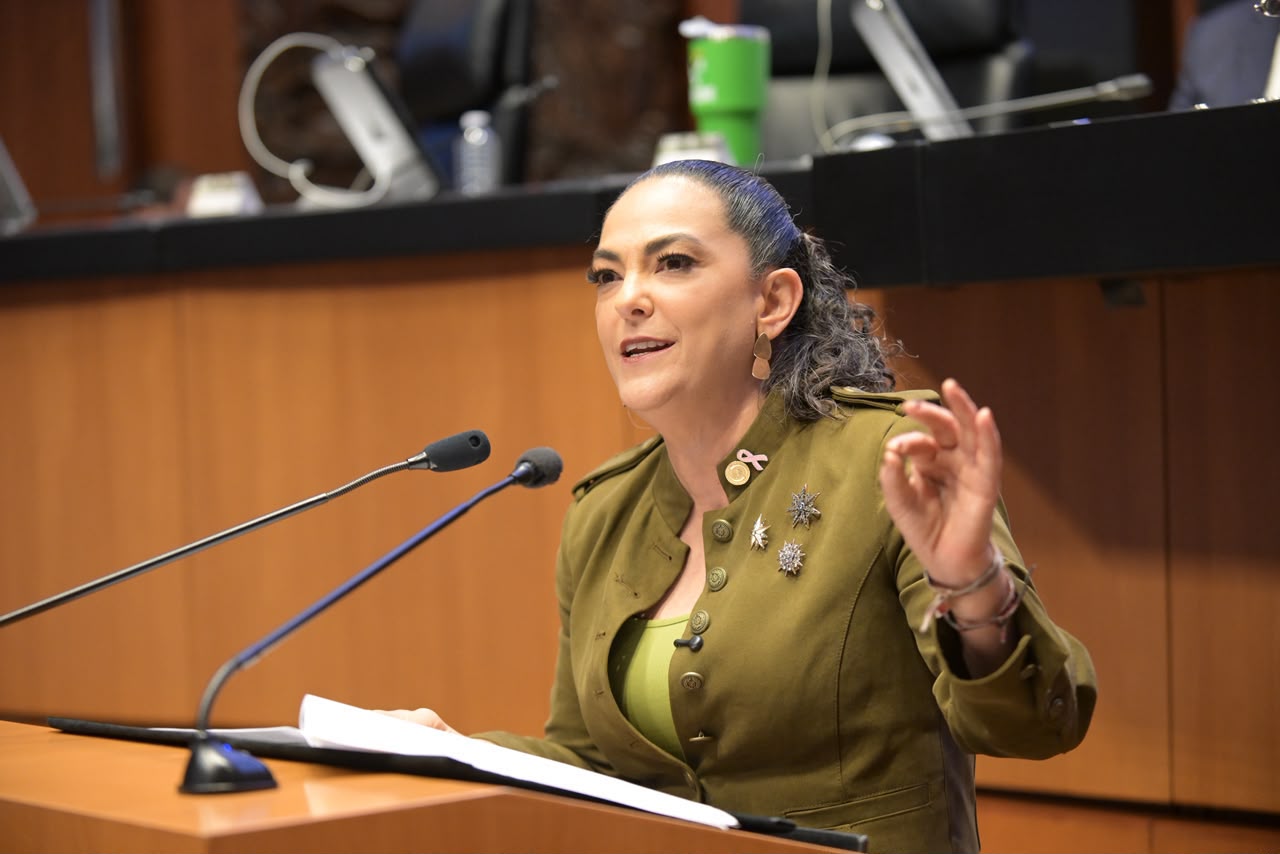
Por otra parte, el Senado aprobó, con 69 votos a favor y 32 en contra, la Ley General para el Fortalecimiento y Armonización Catastral y Registral, impulsada por la presidenta Claudia Sheinbaum.
Al participar en el debate, Sosa Ruiz señaló que la dispersión de información, las diferencias tecnológicas y la falta de estandarización entre catastros y registros públicos generan costos, demoras e incertidumbre para las familias.
La senadora sostuvo que la nueva legislación busca homologar estándares y mejorar los servicios, al tiempo que respeta el federalismo y la autonomía municipal en materia catastral y predial
Por esas Calles de Dios
Por Miguel Ángel Morales Castillo
¡El pasado de Andrés Zorrilla Moreno!
¡La sorpresa de 2016!
¿Por qué no volver a realizar esa hazaña?
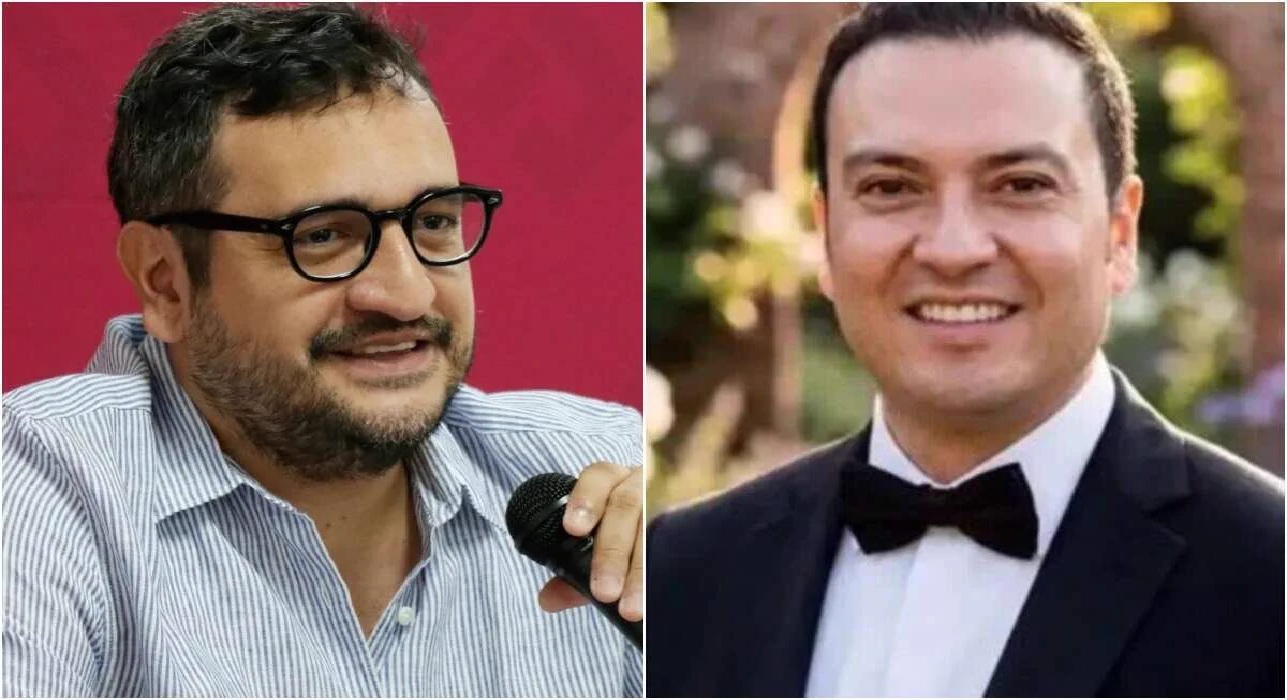
Maderense, no se confunda: ANDRÉS solo hay uno, y es el que usted conoce ampliamente con el mote de “Tony Stark”. Regresa recargado el “Ironman” de Ciudad Madero.
Andrés Zorrilla Moreno, empresario muy reconocido en la urbe petrolera, en el año 2016 le entró de lleno a la política y compitió por la Presidencia Municipal de Ciudad Madero. Fue la sorpresa política en todo Tamaulipas, al ganar una elección municipal con amplio margen. El abanderado del PAN, Andrés Zorrilla, obtuvo un triunfo contundente frente al candidato del PRI de aquella época.
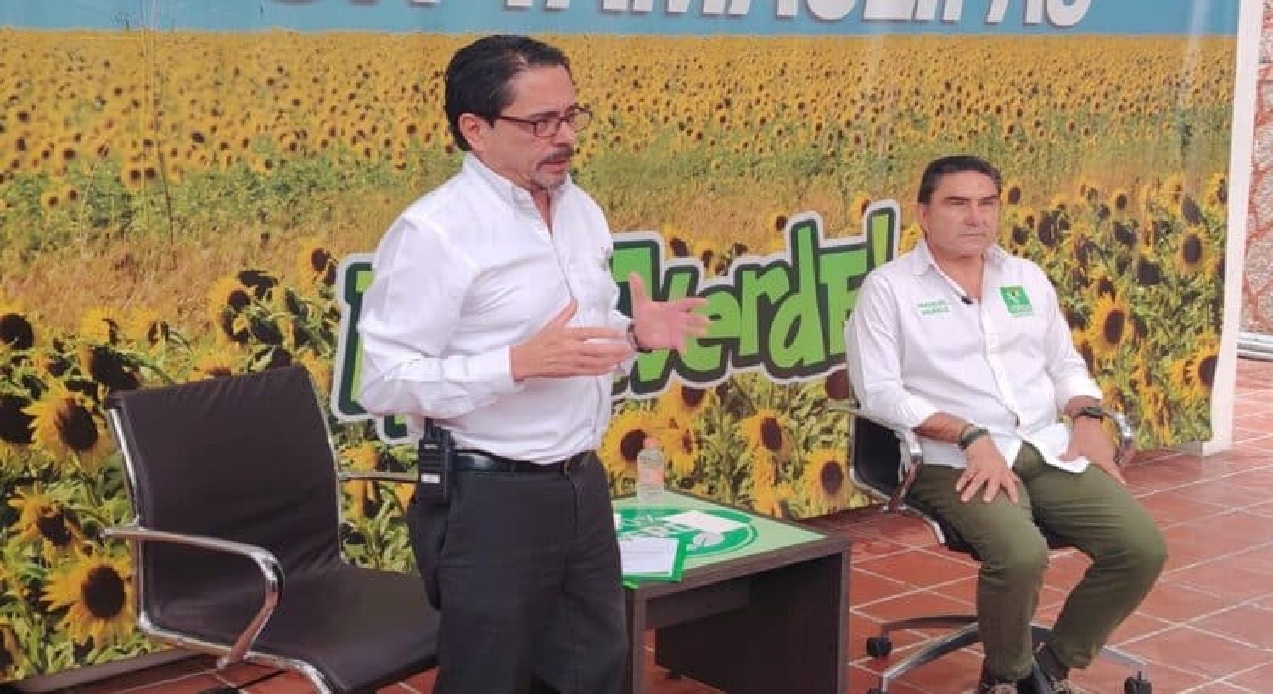
El presidente del Partido Verde en Tamaulipas, Manuel Muñoz Cano, en recientes declaraciones a la prensa allá en la capital del estado, afirmó que el Partido Verde será una gran sorpresa tanto en el país como en Tamaulipas, con la llamada “marea verde”.
Y si alguien sabe de sorpresas y de triunfos contundentes, ese es Andrés Zorrilla. Es por eso que tiene, dicen algunos, un 90 por ciento de posibilidades de encabezar la próxima contienda electoral por la alcaldía de Ciudad Madero, arropado por el Partido Verde en la próxima elección.
El partido del tucán podría ser la gran sorpresa, tal como lo expresó Muñoz Cano, claro está, llevando como candidato a Andrés Zorrilla. Gobernó y gobernó bien; por ello, miles de maderenses estarían de acuerdo en que vuelva a competir.

Querido lector, métase al Facebook de Andrés Zorrilla para que revise los miles de “likes” y comentarios a favor de que participe en 2027 por la alcaldía de Ciudad Madero.
En política nada está escrito ni profetizado, pero gracias a las redes sociales uno puede ir dándose cuenta de cómo andan los parámetros en cuestión de los políticos, sobre todo de aquellos que ahora buscan reelegirse y de otros que pretenden contender por alcaldías y diputaciones federales y locales.
No se trata de tirar mucho rollo en estas nuevas formas de hacer política, sino todo lo contrario: hablar menos, demostrar más y ser congruentes hasta para caminar.
La emblemática colonia Unidad Nacional de Ciudad Madero, donde tuvieron sus casas algunos de los máximos líderes del sistema petrolero a nivel nacional, como don Joaquín Hernández Galicia, en la calle San Luis, y Salvador Barragán Camacho, en la calle Guerrero, es precisamente el lugar donde vive Andrés Zorrilla Moreno, en la calle Hidalgo número 111.
“Tony Stark”, desde ese domicilio, no cesa de recibir y ver entrar y salir gente, como lo escribí en la anterior columna: estudiantes del Tecnológico de Ciudad Madero, así como jóvenes de la UAT de diferentes carreras; estudiantes y profesores de escuelas particulares; líderes de colonia; empresarios; amas de casa e infinidad de personajes de la política.
Parece que lo que quieren es ponerse la camiseta verde y participar en la próxima oleada verde, con el liderazgo de Muñoz Cano en Tamaulipas, como presidente del partido del tucán, y sacar adelante la candidatura de Andrés Zorrilla, el “Ironman”, para la alcaldía de Ciudad Madero.
¡¡ES CUANTO!!
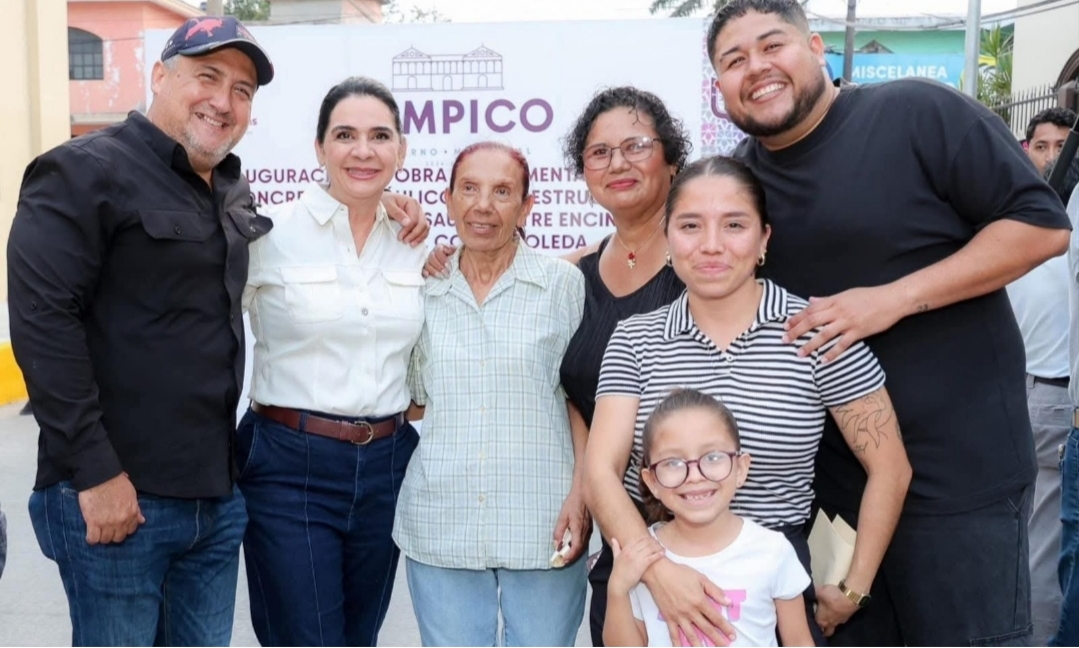
Con una visión de gobierno enfocada en atender las necesidades prioritarias de la población y reducir el rezago en infraestructura urbana, el Gobierno de Tampico, encabezado por la alcaldesa Mónica Villarreal Anaya, ha destinado, en coordinación con el Gobierno del Estado, una inversión de 743 millones de pesos en obra pública.
Durante su segundo mensaje a la población con motivo de sus dos años de gestión, la presidenta municipal destacó que la obra pública constituye uno de los principales ejes de su administración, con especial atención en acciones que impactan directamente en la movilidad, la conectividad y las condiciones urbanas de los distintos sectores de Tampico.
Como parte de esta estrategia, informó que se han atendido 19.15 kilómetros de vialidades, equivalentes a aproximadamente 150 cuadras, mediante trabajos de pavimentación con concreto hidráulico y asfalto, además de obras de rehabilitación de infraestructura hidrosanitaria y modernización vial.
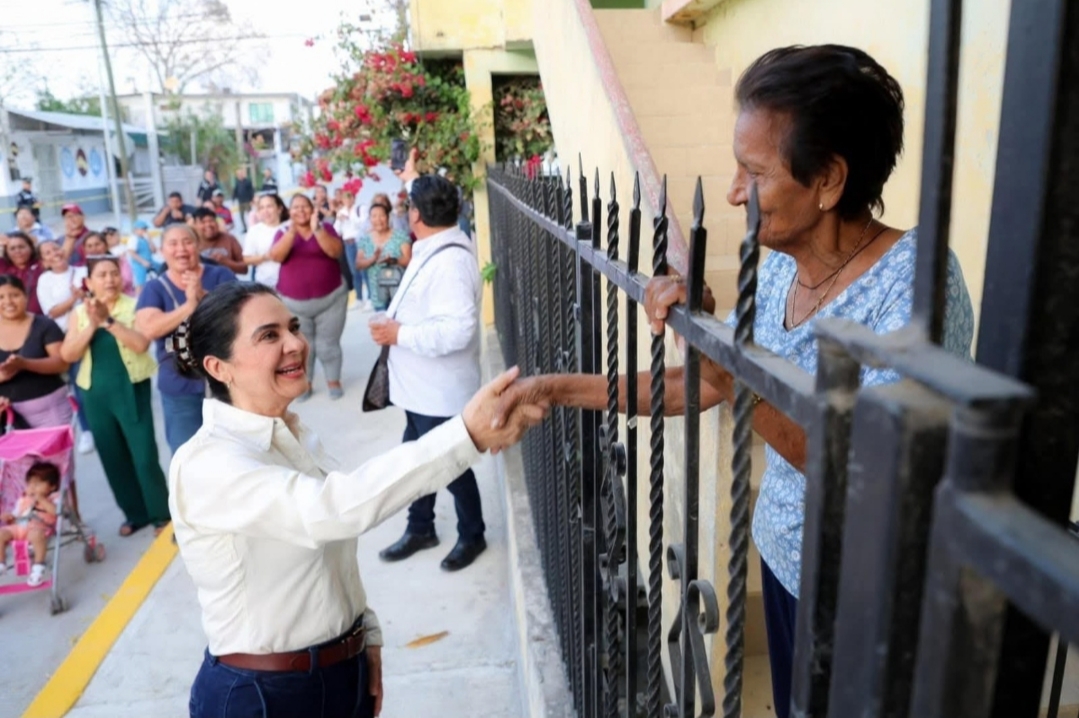
Mónica Villarreal señaló que estas acciones forman parte de una política de atención al rezago urbano y de una agenda de obra pública orientada a responder a las necesidades planteadas por la ciudadanía.
En este sentido, anunció la continuidad del programa de pavimentación y adelantó que un nuevo bloque de obras se encuentra en proceso para ser sometido a licitación, con el objetivo de ampliar la cobertura de infraestructura en diferentes sectores de la ciudad.
“Vamos a seguir trabajando en todo lo que venimos reportando en el Segundo Informe y vamos a dar continuidad a la pavimentación de calles. Todavía tenemos un proyecto importante, un bloque de obras que estaremos poniendo a licitación esta misma semana”, puntualizó.
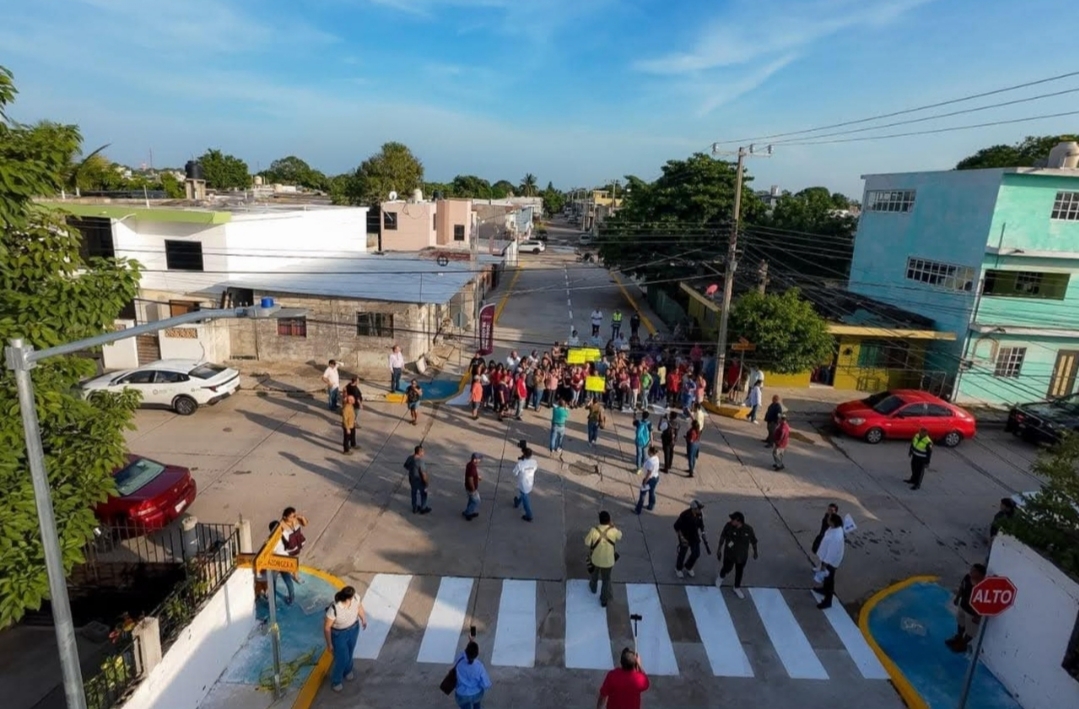
La jefa de la comuna informó que ya fueron firmados los documentos necesarios para avanzar en los procedimientos administrativos correspondientes, con lo que se da continuidad a la planeación y ejecución de nuevos proyectos de obra pública.
Finalmente, precisó que el programa contempla acciones de infraestructura hidrosanitaria, pavimentación con concreto hidráulico y reencarpetado asfáltico, además de la construcción de dos techumbres metálicas en planteles educativos, además de una segunda licitación pública nacional para llevar a cabo la obra de revestimiento y contención en el cerro de Andonegui.
-

 Sur de Tamaulipashace 2 días
Lo acusan de enviar flores a una menor y Fiscalía arma caso por abuso sexual agravado
-
 Sur de Tamaulipashace 2 días
Alumna del CETis 78 de Altamira gana oro en competencia internacional de ciencia y tecnología
-
 Sur de Tamaulipashace 4 días
Mejoran infraestructura sanitaria con obras de drenaje en la avenida Cuauhtémoc
-
 Acciones de Gobiernohace 4 días
Mónica Villarreal inaugura en Tampico el Festival Internacional Harto Arte 2026
-
 Nal / Inthace 4 días
Atienden 14 derrumbes por lluvias en carreteras de la Huasteca potosina
-
 Sur de Tamaulipashace 4 días
Guardia Estatal y fuerzas federales aseguran pirotecnia en Tampico
-

 Sur de Tamaulipashace 4 días
Mujeres riñen en Tampico, joven resulta herida con arma blanca
-
 Sur de Tamaulipashace 4 días
Jorge Romero visita Tampico y PAN perfila su organización rumbo a las elecciones de 2027