

Sin categoría
Presidente del Barcelona ve necesaria la Super Liga





















Sin categoría
Arranca DIF Tamaulipas la Ruta de la Esperanza para llevar apoyos funcionales a quienes más lo necesitan

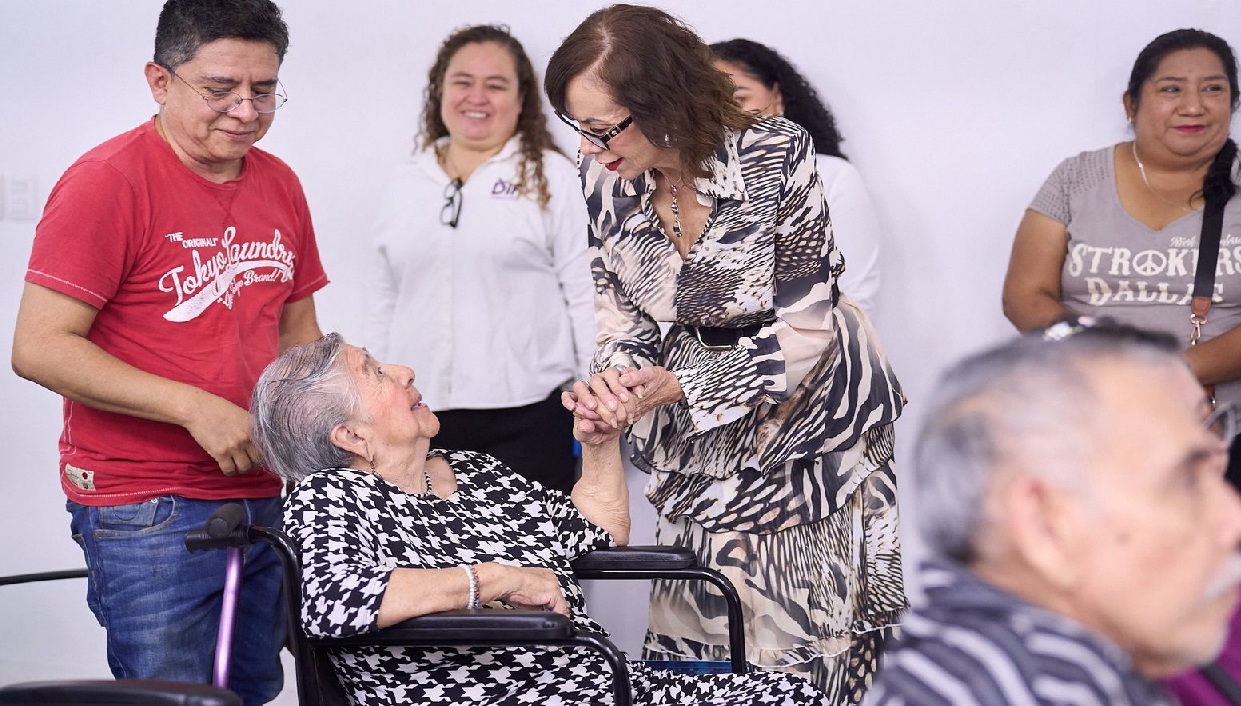
Ciudad Victoria, Tamaulipas.– Con el compromiso de mejorar la calidad de vida de
las familias de atención prioritaria, el Sistema DIF Tamaulipas, presidido por la
doctora María de Villarreal, puso en marcha la Ruta de la Esperanza, una
estrategia que acerca apoyos funcionales a familias de distintos municipios del
estado, brindando herramientas que fortalecen la movilidad, la autonomía y la
inclusión social.
A través de la Subdirección de Atención Ciudadana, se dio inicio a esta ruta que
recorrerá el territorio tamaulipeco para entregar apoyos como sillas de ruedas en
diversas modalidades —estándar, todo terreno, infantil y especiales—, andadores,
bastones, muletas, sillas cómodas, sillas de baño, así como auxiliares auditivos y
otros aparatos funcionales que responden a las necesidades específicas de cada
persona beneficiaria.
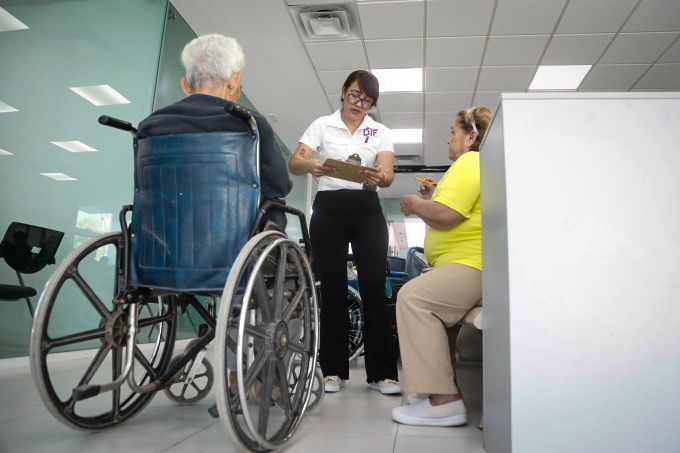
En su arranque, la Ruta de la Esperanza contempla la entrega de 528 apoyos
funcionales distribuidos en municipios como Abasolo, Aldama, Altamira, El Mante,
Gómez Farías, Gustavo Díaz Ordaz, Hidalgo, Llera, Madero, Nuevo Morelos,
Ocampo, Padilla, San Fernando, Soto la Marina, Tampico, Tula y Xicoténcatl, entre
otros, acercando atención directa a las familias y contribuyendo a su bienestar
integral.
Cada uno de estos apoyos representa una oportunidad para que las personas
beneficiarias puedan desenvolverse con mayor independencia en su vida diaria,
facilitando su integración en los ámbitos familiar, social y productivo.
La estrategia se implementará de manera calendarizada durante el año, lo que
permitirá ampliar su alcance conforme se integren nuevas solicitudes, asegurando
una distribución equitativa y oportuna.
Con la Ruta de la Esperanza, el DIF Tamaulipas reafirma su vocación de servicio y
cercanía con la población, llevando atención sensible y humana a cada rincón del
estado, transformando la solidaridad en acciones concretas que cambian vidas.
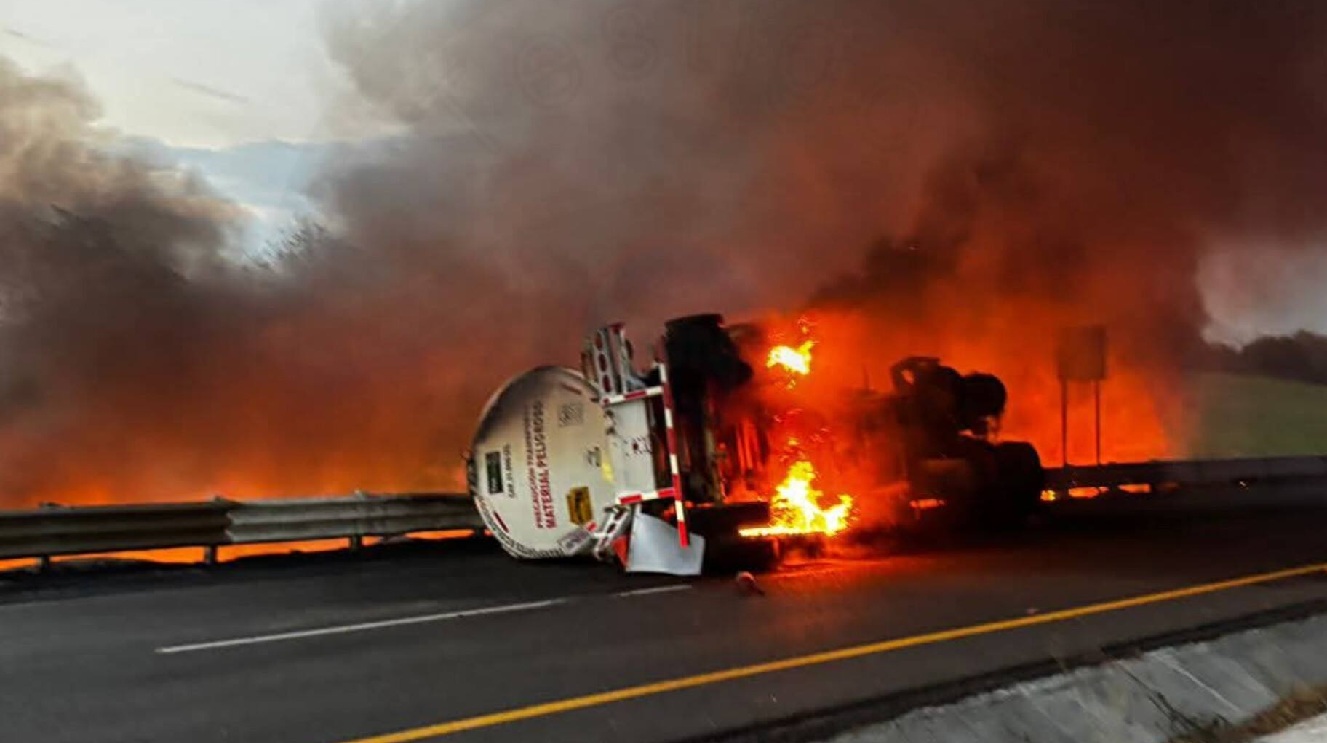
Esta madrugada se registró la volcadura e incendio de una pipa que transportaba diésel sobre la carretera Valles–Tampico, a la altura de la curva conocida como El Huiche.
De acuerdo con los reportes iniciales, la unidad provenía de Ébano con destino a Ciudad Valles.
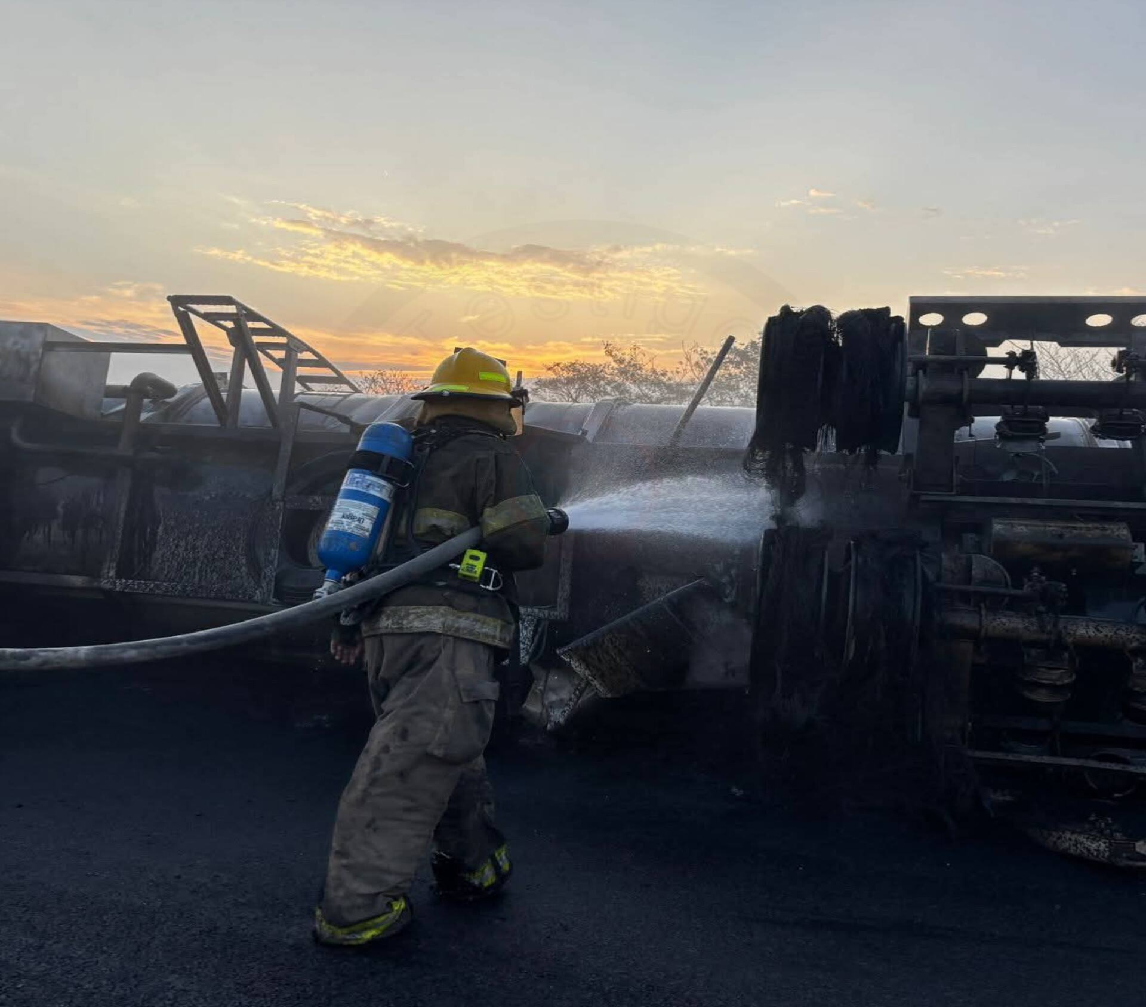
La pipa invadió el carril contrario y quedó atravesada en la vía que conduce de Valles hacia Ébano, mientras que el conductor del tractocamión huyó del lugar, dejando el carrotanque en la carretera.
Solo la segunda pipa del tráiler doble semirremolque se volcó, lo que originó el incendio.
Los cuerpos de emergencia trabajaron durante casi tres horas para controlar y sofocar por completo el fuego.
Hasta el momento no se reportan personas lesionadas ni fallecidas.
No se ha localizado el tractocamión que remolcaba la pipa.
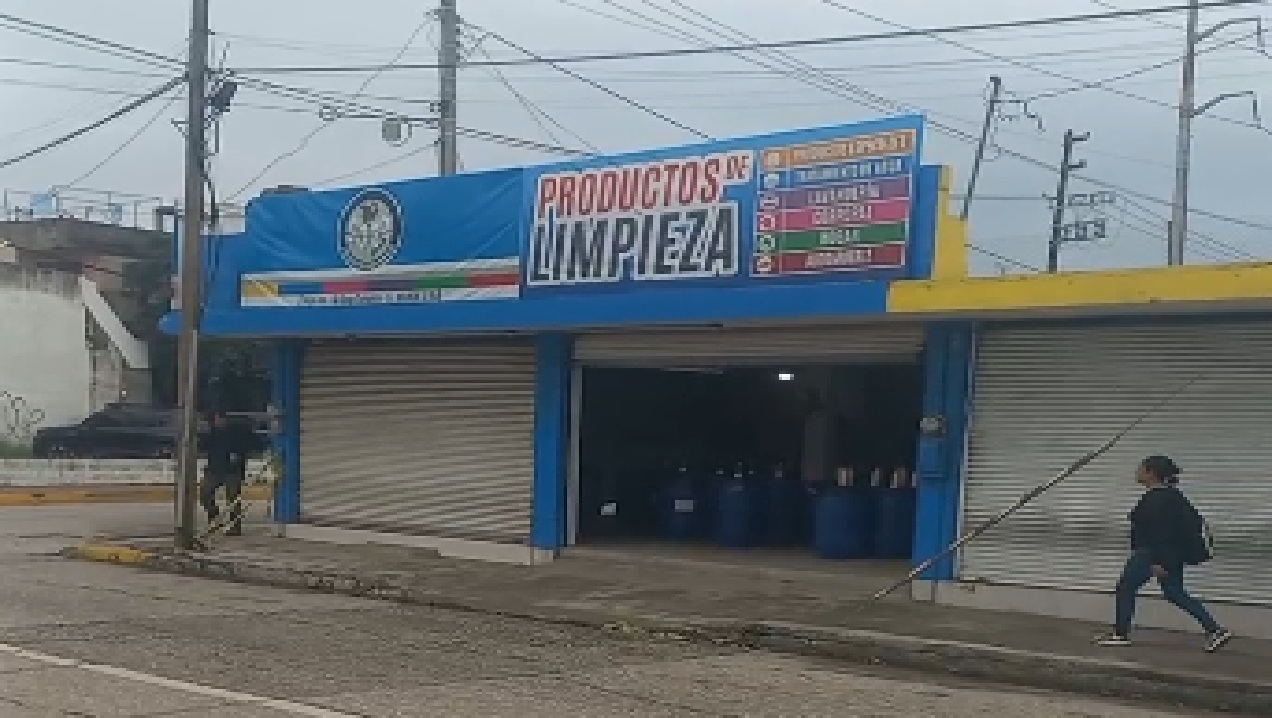
Tampico, Tamaulipas.- Amarga sorpresa se llevó el propietario de un establecimiento dedicado a la enta de productos de limpieza, ubicado muy cerca de la zona centro de Tampico, al percatarse que había sido víctima de robo en su local, al parecer en horas de la madrugada.
El lugar se ubica en el bulevar Adolfo López Mateos, esquina con calle José de Escandón, una de las entradas principales a la zona centro de Tampico y de alto movimiento vehicular.
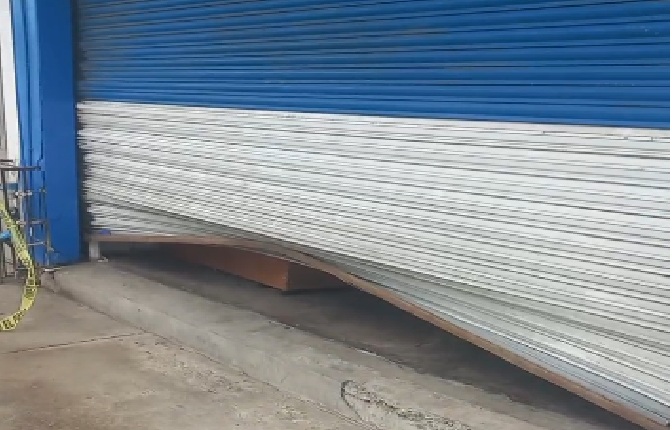
Una de las cortinas metálicas, por la calle Escandón, se encontraba violentada, por lo que se presume que por ahí se introdujo el o los ladrones.
Hasta el momento se desconoce el monto de lo robado, pero se estima que se llevaron productos de limpieza y dinero en efectivo de la caja.
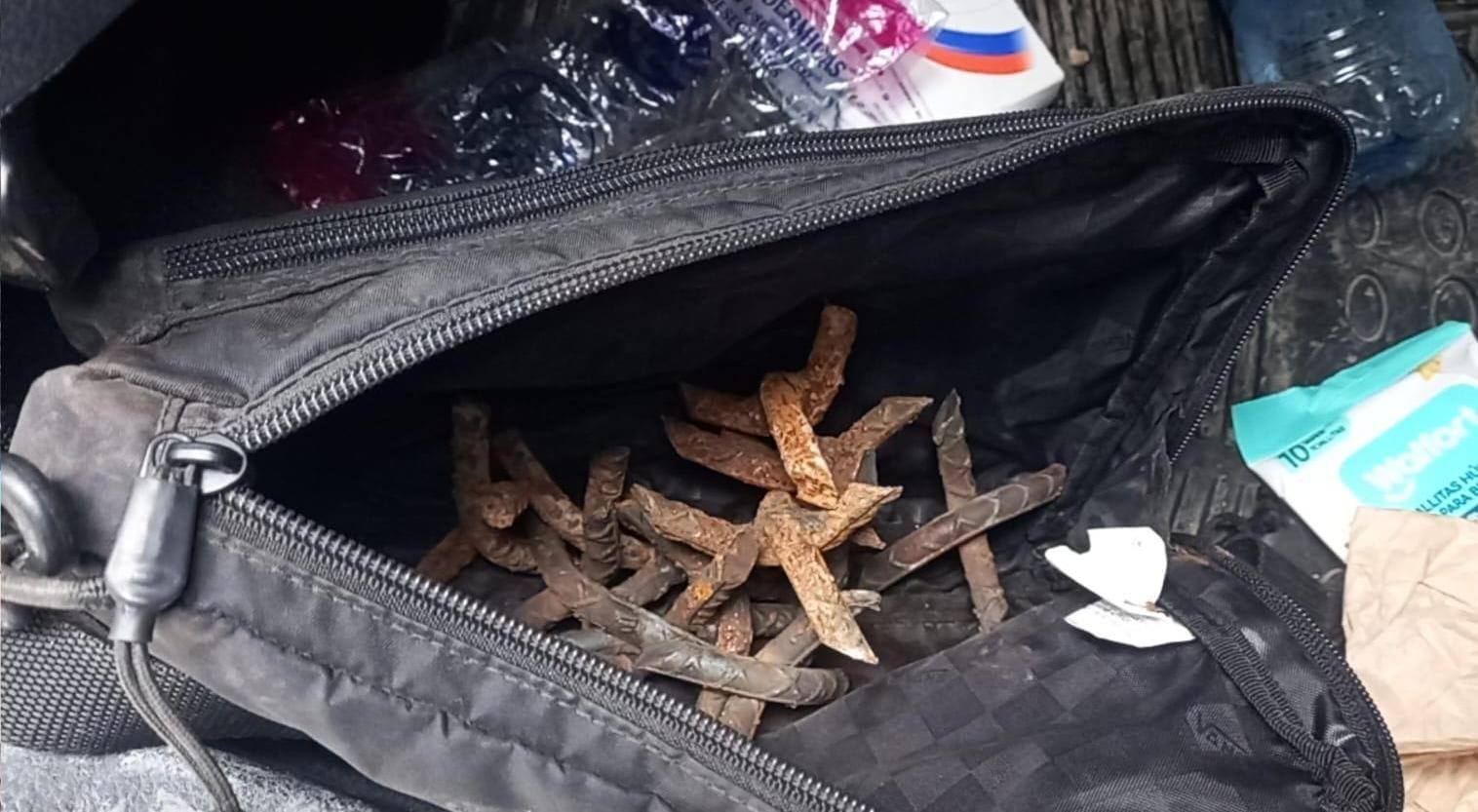
-El individuo tenía en su poder radios, varios celulares y ponchallantas.
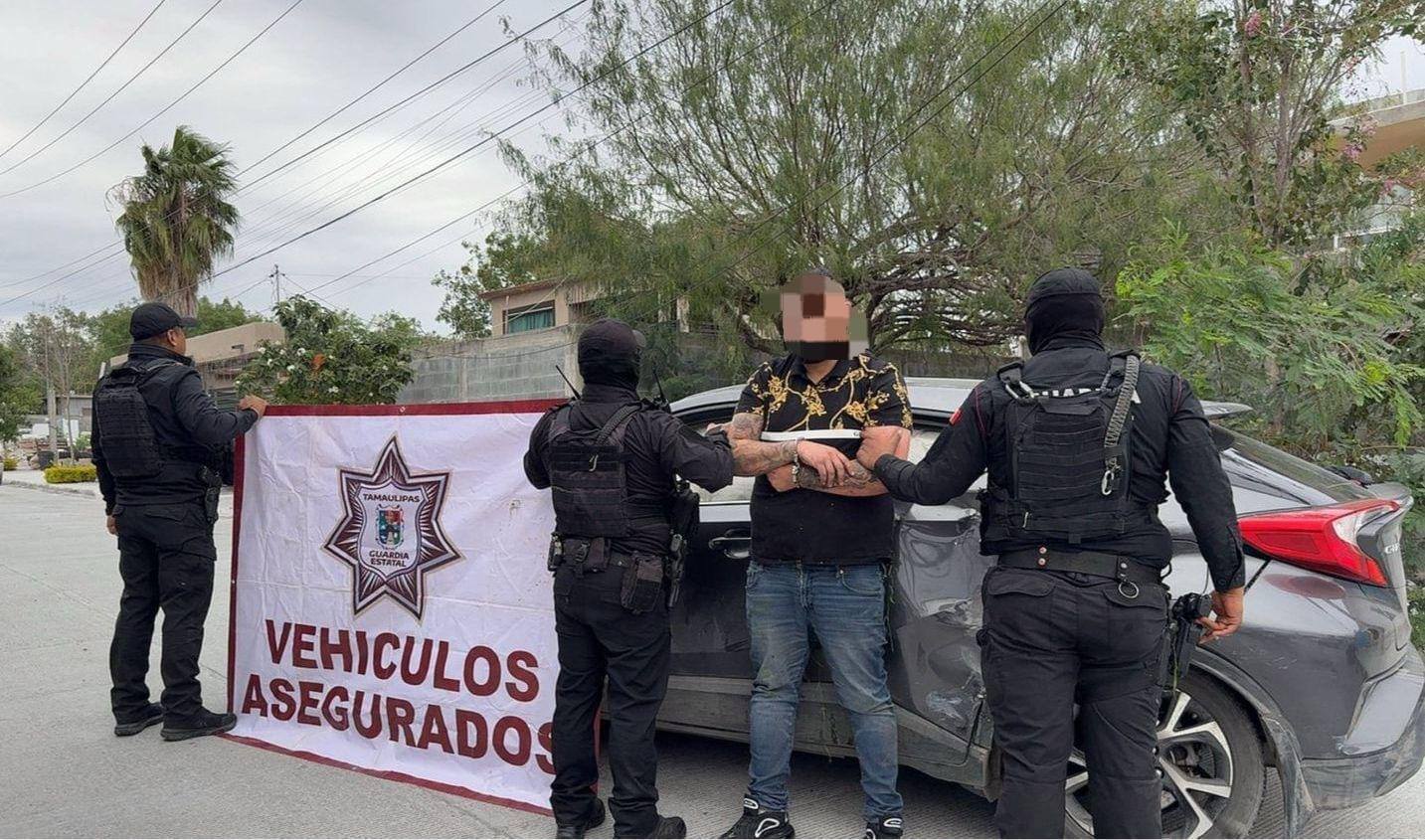
Reynosa, Tamaulipas.- Personal de la Guardia Estatal detuvo a un hombre y aseguró radios de comunicación, artefactos metálicos conocidos como “ponchallantas” y un vehículo, luego de una persecución que derivó en un choque vial en la colonia Jesús Vega Sánchez, en el municipio de Reynosa.
Durante recorridos de seguridad y vigilancia detectaron un vehículo Toyota cuyo conductor intentó huir al notar la presencia policial, acelerando la marcha e invadiendo carriles.
Durante el seguimiento, metros más adelante, el automóvil provocó un siniestro vial al impactarse contra otro vehículo en el cruce de las calles Dalia y Francisco Villa.
No se reportaron personas lesionadas de gravedad.
Tras el choque, los elementos de la Guardia Estatal lograron la detención del hombre que intentó fugarse.
Durante la intervención se aseguraron dos radios de comunicación alfanuméricos marca Sonim, un teléfono celular color negro y 12 artefactos metálicos conocidos como “ponchallantas”.
Asimismo, fue asegurado el vehículo Toyota color negro, sin placas de circulación, cuyo número de serie fue verificado en Plataforma México, sin que arrojara reporte negativo.
Tanto el detenido como los objetos y el vehículo asegurados fueron puestos a disposición de la Fiscalía General de Justicia (FGJT) para las investigaciones correspondientes y el deslinde de responsabilidades.
-

 Acciones de Gobiernohace 5 días
Reafirma Mónica Villarreal compromiso con la salud y bienestar de las familias tampiqueñas
-

 Acciones de Gobiernohace 5 días
Educación humanista busca una sociedad más justa: Américo
-
 Sur de Tamaulipashace 5 días
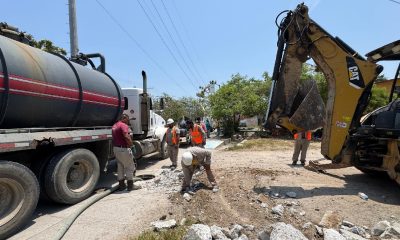
COMAPA Sur realiza labores de mantenimiento en drenaje en la Borreguera
-

 Acciones de Gobiernohace 4 días
Se reúne Américo con nuevo titular de Aduanas; impulsa proyectos estratégicos en Tamaulipas
-

 CYENhace 5 días
Anuncian últimos días para inscribirse al Festival Internacional en la Costa del Seno Mexicano 2026
-

 Opiniónhace 4 días
La mujer del pelotero
-

 Opiniónhace 5 días
Un legado social para nuevas juventudes
-

 Tamaulipashace 4 días
Impulsado por seguridad y conectividad, Tamaulipas brilla en el Tianguis Turístico